Top Benefits of Using Hdpe Cutting Board for Food Safety?
In the bustling world of food preparation, safety is paramount. A clean and reliable surface is essential for preventing cross-contamination. The Hdpe Cutting Board has emerged as a top choice among chefs and home cooks alike. Made from high-density polyethylene, these cutting boards offer several advantages for food safety.
One of the key benefits of using an HDPE cutting board is its non-porous surface. Unlike wooden boards, HDPE does not absorb moisture, reducing the risk of bacteria growth. Additionally, it is easy to sanitize. Many professionals and home users alike appreciate this material for its sturdiness. However, some may overlook proper cleaning methods, which are crucial for maintaining hygiene.
Another noteworthy feature of HDPE cutting boards is their durability. They resist deep cuts and scratches, which can harbor harmful germs. Frequent replacement of less durable boards can lead to increased waste. While many users opt for cheaper alternatives, investing in an HDPE cutting board proves more reliable in the long run. Ultimately, understanding the importance of this kitchen tool can significantly enhance food safety practices.
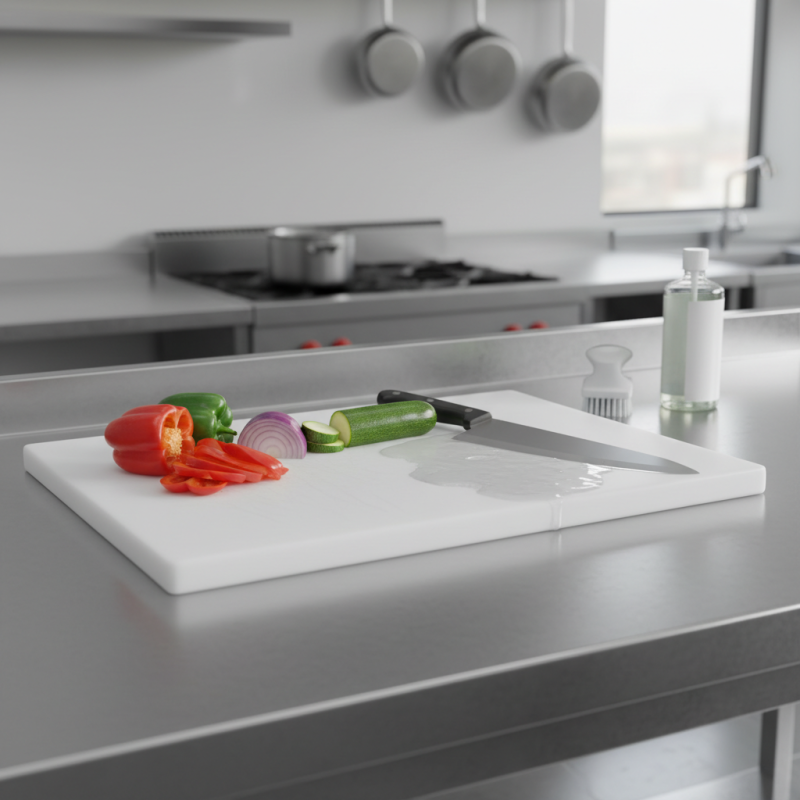
Benefits of HDPE Cutting Boards for Food Safety
When it comes to food safety, the choice of cutting board material is crucial. HDPE, or High-Density Polyethylene, is a top choice for professional kitchens. It is known for its durability and resistance to bacteria. According to the USDA, plastic cutting boards are less porous than wood, which helps prevent bacterial growth. A well-maintained HDPE board can reduce cross-contamination in food preparation.
Research shows that when tested against various bacteria like Salmonella and E. coli, HDPE boards showed significantly lower bacteria counts than wooden boards after equivalent usage. The non-absorbent surface allows for easy cleaning with hot, soapy water and sanitizers. This is vital in environments where food safety is a top priority. However, scratches and deep cuts can harbor bacteria, which means regular inspection and replacement are essential.
Using HDPE cutting boards also supports sustainability. They are recyclable at the end of their life cycle. Many professional guidelines recommend the use of color-coded HDPE boards to prevent cross-contamination of food types. However, not all HDPE boards are created equal. Some inferior products may warp or stain, which could compromise hygiene. Hence, it's critical to choose quality options and follow proper maintenance protocols.
Understanding HDPE Material and Its Properties
HDPE, or high-density polyethylene, is a popular material for cutting boards. Its properties make it a reliable choice for food safety. HDPE is lightweight yet durable, resisting impact and weathering. It is non-porous, which means it does not absorb liquids like wood. This eliminates the risk of bacteria harboring in tiny crevices, making it a safer option for food preparation.
Tips for using HDPE cutting boards include ensuring they are cleaned properly after use. Hot, soapy water works best. Despite their resistance to staining, it's still wise to avoid prolonged exposure to strong dyes or pigments found in certain foods.
Another good practice is to regularly inspect boards for deep scratches. These can be spots where bacteria might build up over time.
While HDPE is generally stable, no material is perfect. Over time, these boards may wear down. If not properly maintained, they might harbor bacteria in cuts or grooves. It’s crucial to replace boards showing significant wear. Regularly assessing the condition of your cutting boards can greatly enhance food safety in the kitchen. Make it a routine to check them monthly.
Comparative Analysis: HDPE vs. Other Cutting Board Materials
When comparing HDPE cutting boards to other materials, it's crucial to understand the differences in safety and hygiene. Research shows that HDPE, or high-density polyethylene, is non-porous. This characteristic prevents bacteria from penetrating the surface. A 2012 study in the Journal of Food Protection found that HDPE cutting boards harbor fewer bacteria compared to wooden boards. In fact, wooden surfaces can retain moisture, which promotes microbial growth.
Another aspect to consider is the durability of HDPE. This material resists deep cuts and scratches. A report from the National Sanitation Foundation (NSF) indicates that HDPE cutting boards can last twice as long as wood. They are also dishwasher safe, ensuring that they can be sanitized effectively after use. In contrast, other materials like glass may chip or crack, potentially leading to safety hazards.
It's important to recognize that not all cutting boards are created equal. While plastic boards like HDPE have advantages, they can still develop surface scratches over time. These scratches may harbor bacteria. Regular replacement and proper cleaning protocols are essential to maintain food safety. Concerns about microplastics and possible chemical leaching are valid and warrant further investigation. However, HDPE remains a top choice for many chefs and food safety experts due to its overall strength and hygiene properties.
Sanitization and Maintenance of HDPE Cutting Boards
HDPE cutting boards are popular for many reasons. One major advantage is their ease of sanitization. Unlike wooden boards, HDPE can withstand rigorous cleaning. You can safely wash them in hot, soapy water or place them in a dishwasher. This high level of cleanliness reduces the risk of cross-contamination in your kitchen.
Maintaining an HDPE cutting board requires regular inspection. Look for deep scratches or cuts where bacteria can hide. These cuts may harbor harmful pathogens. If your board has significant damage, consider replacing it. It's essential to be aware of these details to maintain food safety effectively. Proper care includes drying it upright to prevent water damage and warping.
People often overlook how easy it is to clean these boards. However, it is essential to be consistent in your sanitization efforts. Sometimes, people underestimate the power of a simple wash. Keeping your equipment clean not only protects food safety but also extends the life of your cutting board. Accurately assessing its condition and ensuring cleanliness can make all the difference.
Environmental Considerations of Using HDPE Cutting Boards
One crucial aspect of using HDPE cutting boards is their positive impact on the environment. Unlike wooden or plastic alternatives, HDPE is recyclable. This characteristic reduces landfill waste significantly. Research indicates that nearly 25% of plastic waste comes from single-use items, but HDPE cutting boards can combat this trend. They can last for years, which means less frequent replacements.
Another notable benefit is their energy-efficient production. A study by the Environmental Protection Agency highlighted that HDPE requires less energy to manufacture than alternatives like melamine. This efficiency leads to a smaller carbon footprint. Furthermore, the durability of HDPE ensures that it doesn't break down easily, translating into fewer resources used over time.
Despite these advantages, challenges remain. Some consumers may overlook the recycling requirements of HDPE. They might not know that proper recycling depends on local facilities. Additionally, while HDPE is more environmentally friendly, it can still contribute to microplastic pollution if not disposed of properly. Addressing these issues requires a proactive approach to encourage responsible usage and recycling practices.
Top Benefits of Using HDPE Cutting Board for Food Safety - Environmental Considerations of Using HDPE Cutting Boards
| Benefits | Description | Environmental Considerations |
| Durability | HDPE boards are resistant to scratches and impact, ensuring a longer lifespan. | Longer usability reduces waste compared to less durable materials. |
| Non-porous Surface | Prevents bacteria and germs from penetrating deep into the board. | Less biohazard waste since surfaces can be easily sanitized. |
| Easy to Clean | Can be safely washed in a dishwasher and is resistant to stains. | Reduced need for harmful chemical cleaners. |
| Lightweight | Easier to handle and transport compared to other materials. | Lower transportation emissions due to reduced weight. |
| Recyclable | HDPE is 100% recyclable and can be repurposed. | Supports a circular economy and reduces landfill waste. |