What Is the Best Cold Plunge Cooling Unit in 2026?
Choosing the best Cold Plunge Cooling Unit in 2026 is not simply about buying the coldest machine. It is about matching reliable cooling performance with your tub size, water volume, climate, and recovery routine. A powerful unit may sound impressive, but excessive capacity can increase energy use and operating costs. Sometimes, simpler is better.
This guide examines the details that matter during real use. We will compare cooling speed, temperature stability, filtration, noise, installation, maintenance, warranty coverage, and manufacturer support. We will also consider how each unit performs after repeated sessions, not only during a short product demonstration. A cold plunge beside a bedroom reveals noise quickly. A small backyard setup exposes weak insulation and slow temperature recovery.
Reliable recommendations require more than marketing claims. Specifications should be checked against independent testing, user experiences, and clear safety guidance. Water circulation, electrical protection, cleaning requirements, and proper installation all affect daily performance. These factors may seem less exciting, but they influence comfort and long-term ownership. No cooling unit is perfect. My own evaluation may favor practical value over impressive features, and that deserves honest reflection. The best choice depends on your priorities, budget, space, and willingness to maintain the system. This comparison aims to make those trade-offs easier to understand before you invest.
What Is a Cold Plunge Cooling Unit and How Does It Work?
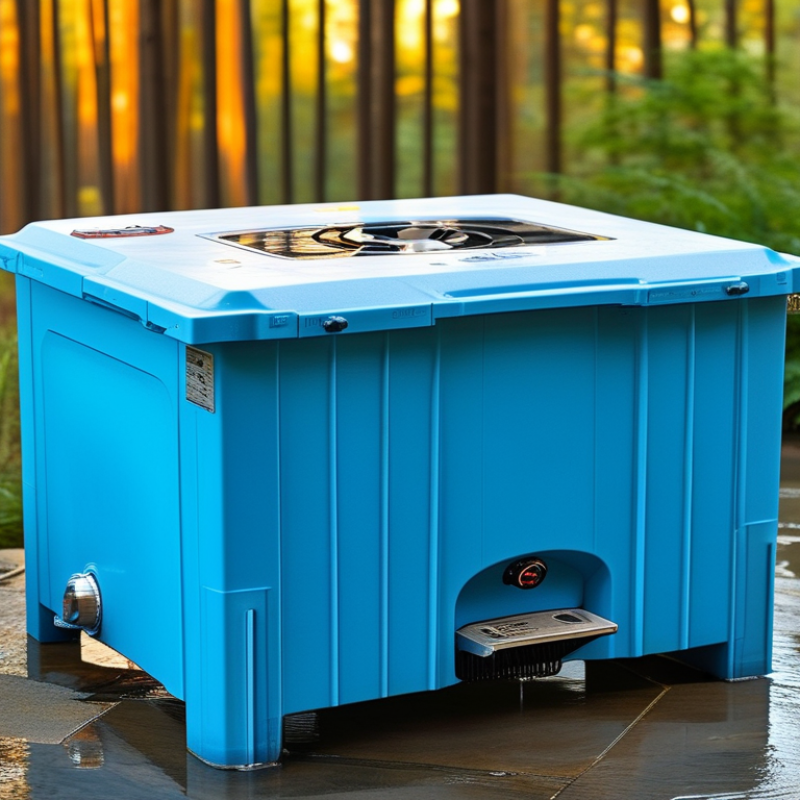
A cold plunge cooling unit is a compact water-chilling system designed to lower and maintain the temperature of a plunge tub. It does more than add ice. A pump draws water from the tub and sends it through a heat exchanger. The exchanger removes heat from the water, while a fan releases that heat into the surrounding air. The cooled water then returns to the tub.
The water gets cold.
A thermostat controls this cycle. When the temperature rises above the selected setting, the compressor starts again. Insulation, water volume, airflow, and room temperature affect performance. A covered tub usually holds its temperature longer. In a warm garage, however, even a powerful unit may work harder and cool more slowly. Cooling time is not universal. Product claims often use ideal conditions.
A reliable evaluation should include a separate thermometer, not only the built-in display. Check the water near the surface and return line, because temperatures can differ slightly. Observe the unit during several cycles. Listen for unusual vibration, inspect the filter, and keep air vents clear. Clean water also protects the pump and heat exchanger. In practice, small maintenance habits matter. I once underestimated how much a dirty filter could reduce circulation. That mistake made the system appear weaker than it was. A properly sized unit should match the tub’s volume and your target temperature, rather than relying on maximum cooling power alone.
What Is the Best Cold Plunge Cooling Unit in 2026?
What Is a Cold Plunge Cooling Unit and How Does It Work?
A cold plunge cooling unit is a compact refrigeration system that removes heat from circulated bath water. A pump moves water through a filter and heat exchanger, while the refrigeration circuit transfers heat from the water to the surrounding air.
This chart shows the minimum heat that must be removed to cool clean water from 60°F (15.6°C) to 40°F (4.4°C), excluding heat entering from the room, sunlight, users, and plumbing. The calculation uses water's approximate specific heat of 1 BTU per pound per °F and 8.34 pounds per U.S. gallon. In practice, choose a unit with additional capacity because real cooling time also depends on insulation, ambient temperature, circulation, and heat gain.
Which Features Define the Best Cold Plunge Cooling Unit in 2026?
What Is the Best Cold Plunge Cooling Unit in 2026?
The best cold plunge cooling unit should control temperature precisely, not merely reach a low number. A practical test should measure recovery after repeated use, with the lid removed and fresh water added. Look for a digital sensor, adjustable set points, automatic shutoff, and continuous temperature records. A unit that cools quickly but fluctuates by several degrees may feel impressive yet perform poorly.
Energy use also deserves attention. The International Energy Agency reports that cooling demand is rising as global temperatures increase, making efficiency a serious operating concern. Choose thick insulation, a well-sized heat exchanger, and a pump designed for continuous circulation. Quiet operation matters too. A loud compressor can undermine the calm these sessions require. My first instinct was to prioritize maximum cooling power. That was probably too simple.
Water management defines long-term reliability. The CDC’s 2023 Model Aquatic Health Code uses pH 7.0–7.8 as a public-water benchmark and emphasizes filtration, circulation, and disinfectant control. A home plunge is not a commercial pool, but these principles remain useful. The unit should support replaceable filtration, easy drainage, leak detection, and protected electrical connections. The Global Wellness Institute valued the wellness economy at $6.3 trillion in 2023, showing strong consumer interest. Yet popularity does not guarantee quality. Buyers should compare measured recovery time, standby energy, noise, service access, and safety documentation before trusting polished specifications.
Which Cooling Unit Fits Different Cold Plunge Sizes and User Needs?
The best cold plunge cooling unit depends on water volume, target temperature, room conditions, and recovery speed. A compact 300-liter plunge needs far less capacity than a 600-liter tub. However, tank size alone can mislead buyers.
Cooling 300 liters from 20°C to 10°C requires about 12.6 megajoules of heat removal. That equals roughly 3.5 kilowatt-hours before insulation and ambient losses.
A 600-liter plunge requires approximately 7 kilowatt-hours under the same conditions.
ASHRAE Handbook—Refrigeration (2022) recommends including product load, heat transfer, air exposure, and equipment heat when sizing refrigeration systems. Therefore, a small unit may maintain cold water but struggle during the first cooling cycle.
For small indoor plunges, a lower-capacity unit may suit occasional users and limited electrical circuits. Medium units offer better recovery for daily use, especially when several people share the tub. Large outdoor plunges need stronger heat rejection, weather protection, and careful airflow clearance.
The U.S. Department of Energy notes that operating conditions strongly affect cooling-system efficiency, including surrounding temperature and ventilation. That changes everything.
Look beyond advertised cooling speed. Ask for cooling capacity, tested ambient temperature, flow rate, and power consumption. A unit rated for ideal laboratory conditions may perform differently beside a sunny patio. I would also measure the water volume instead of trusting the tub’s label. Measure twice. Some estimates remain imperfect, because user entry, uncovered water, and warm refill water can add surprising heat.
How to Install, Maintain, and Safely Use a Cold Plunge Cooling Unit
In 2026, the best cold plunge cooling unit is not simply the fastest one. Installation conditions matter more than impressive specifications. Choose a unit rated for your tub volume and local room temperature. Leave clear space around its air vents. Keep it level. Poor airflow can raise energy use and shorten compressor life.
Place the unit on a dry, stable surface near the plunge. Use properly rated hoses, secure clamps, and a clean water filter. A qualified electrician should inspect the outlet and confirm suitable ground-fault protection. Keep electrical connections away from splashes. Never guess. The cooling unit should not run without adequate water flow. Check the manual for minimum flow, hose size, and operating limits.
Before entering, test the water temperature with a separate thermometer. A controller can drift. Begin with short sessions and avoid extreme temperatures, especially if you have heart, circulation, or blood-pressure concerns. Ask a medical professional before using cold immersion. Do not use it alone. Leave immediately if you feel chest pain, confusion, severe dizziness, or unusual numbness.
Maintenance is simple but easy to neglect. Rinse the filter regularly and inspect hoses for cracks, damp fittings, or discoloration. Sanitize the water according to tested guidance, not smell alone. I once underestimated how quickly a dirty filter reduced circulation. That mistake was preventable. Keep a small service log with water readings, cleaning dates, and unusual noises. Some weeks, the unit may need more attention than expected.