How to Choose the Perfect Dining Room Furniture for Your Home in 2025
In today's ever-evolving home design landscape, selecting the right dining room furniture has become a blend of functionality, style, and personalization. As we approach 2025, trends are shifting towards sustainable materials and multifunctional pieces that cater to our dynamic lifestyles. Renowned interior designer Jessica Hart, an expert in dining room aesthetics, emphasizes,
"Your dining room is not just a place to eat; it's a space for memories and connections, so every piece of furniture should reflect your personal taste and the ambiance you wish to create."
When choosing dining room furniture, it’s essential to consider not just the aesthetics but also how each piece harmonizes with the overall flow of your home. From tables to chairs, the right choices will enable your dining space to serve its purpose while also standing out as a focal point in your home.
With a myriad of options available, it can be overwhelming to navigate through the latest styles, functions, and materials. This guide aims to simplify your journey in selecting the perfect dining room furniture for your home in 2025, ensuring it meets both your practical needs and design aspirations.
Understanding Your Dining Space: Dimensions and Layout Considerations
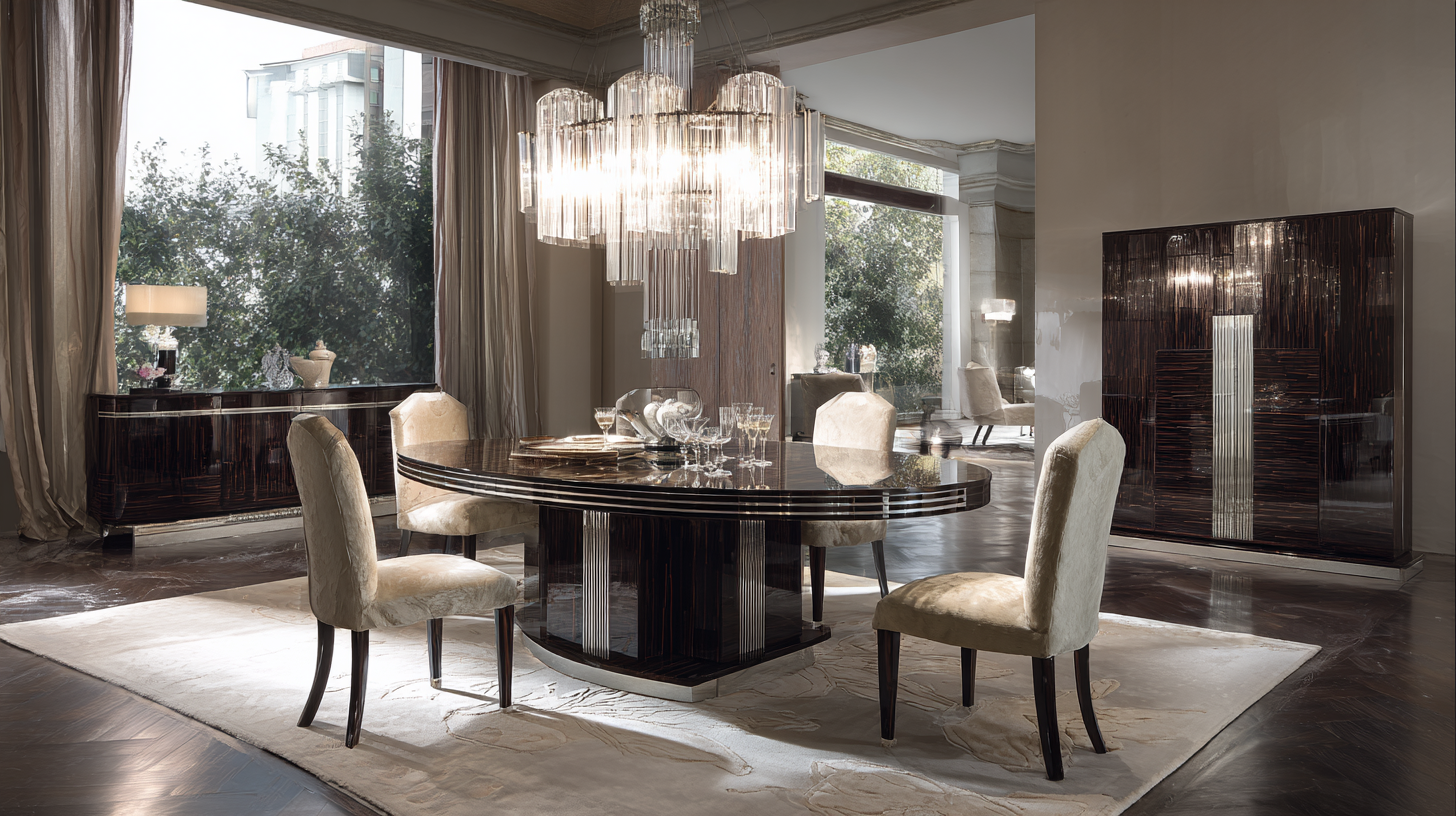
When choosing the perfect dining room furniture for your home in 2025, understanding the dimensions and layout of your dining space is crucial. A well-organized dining area not only enhances functionality but also adds to the overall aesthetic of your home. It is essential to measure your space accurately, taking into account the flow of movement and the number of seats required for family and guests. The ideal layout should allow for easy access to and from the dining table, ensuring that the space feels open and welcoming.
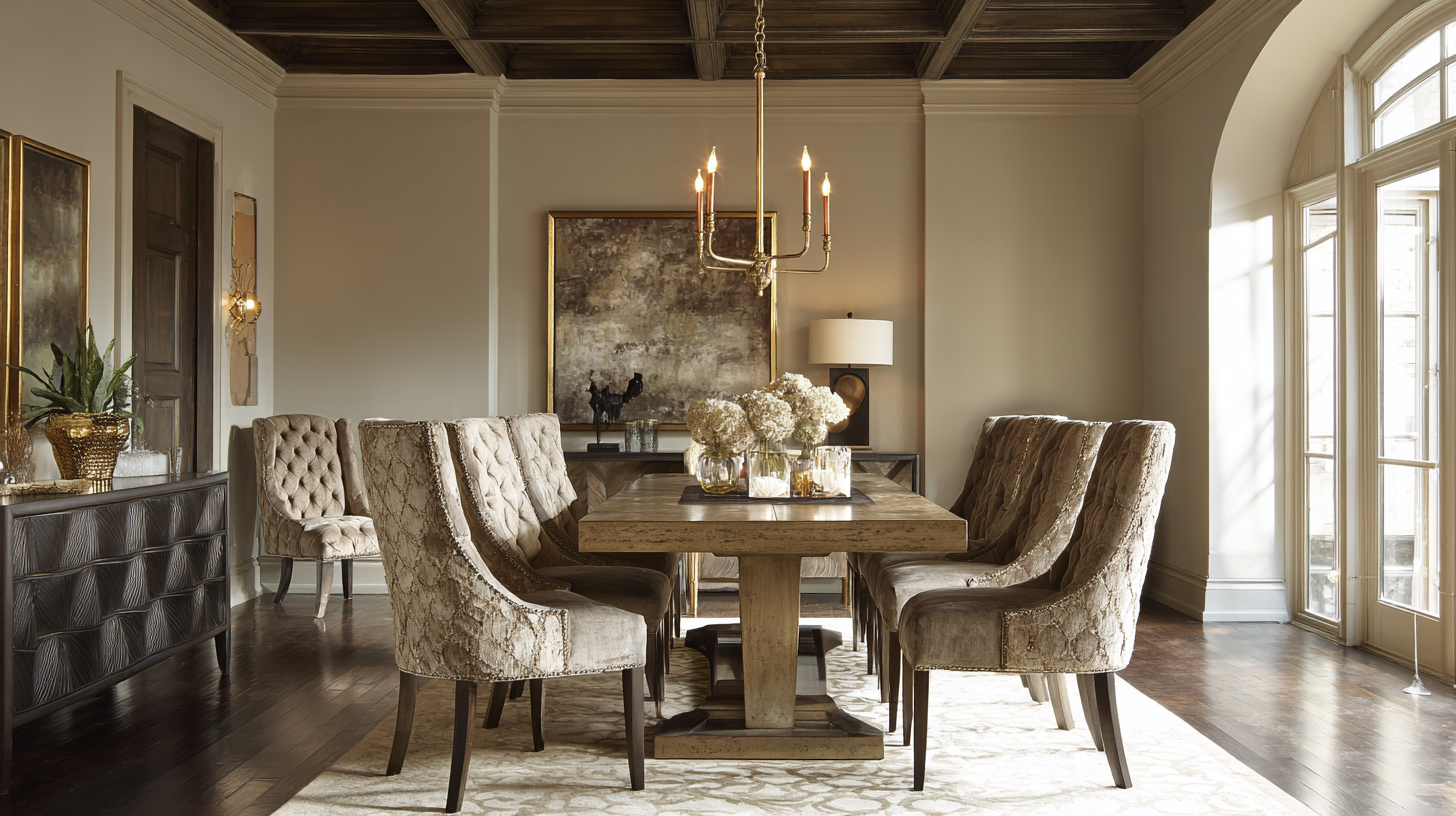
In addition to space considerations, current trends emphasize the importance of integrating elements that reflect both style and comfort. For instance, as small spaces gain popularity, modular and multi-functional furniture can maximize utility without compromising on design. The ongoing evolution of dining experiences, influenced by social and communal dining trends, further encourages homeowners to select furniture that fosters interaction and connection. Emphasizing inclusivity in design, such as accommodating different generations, will also ensure that your dining space remains relevant and inviting as lifestyle needs change over time.
Choosing Material: Wood, Metal, and Upholstery Options for Dining Furniture
When selecting dining room furniture, the choice of material is paramount in creating an inviting and functional space. According to a 2023 industry report by the American Home Furnishings Association, a staggering 65% of consumers prioritize material selection when purchasing dining furniture. Wood remains a classic choice, celebrated for its durability and aesthetic appeal. Hardwoods like oak and maple not only provide a timeless look but also offer stability that can withstand the rigors of daily use. Furthermore, sustainable wood options are increasingly popular, with 58% of buyers favoring eco-friendly materials, according to recent surveys.
On the other hand, metal and upholstery options are gaining traction among modern homeowners. Metal frames, often utilized in contemporary designs, are lauded for their strength and sleek finish. Moreover, metal dining sets can be easily cleaned, making them a practical choice for families. Upholstery adds a layer of comfort and style, with fabric type playing a critical role in both appearance and maintenance. A report by Furniture Today indicates that upholstered dining chairs surged in popularity, with a 40% increase in sales over the past two years. Ultimately, the combination of these materials can create a dining space that is not only visually appealing but also accommodating to the varied lifestyles of families and individuals in 2025.
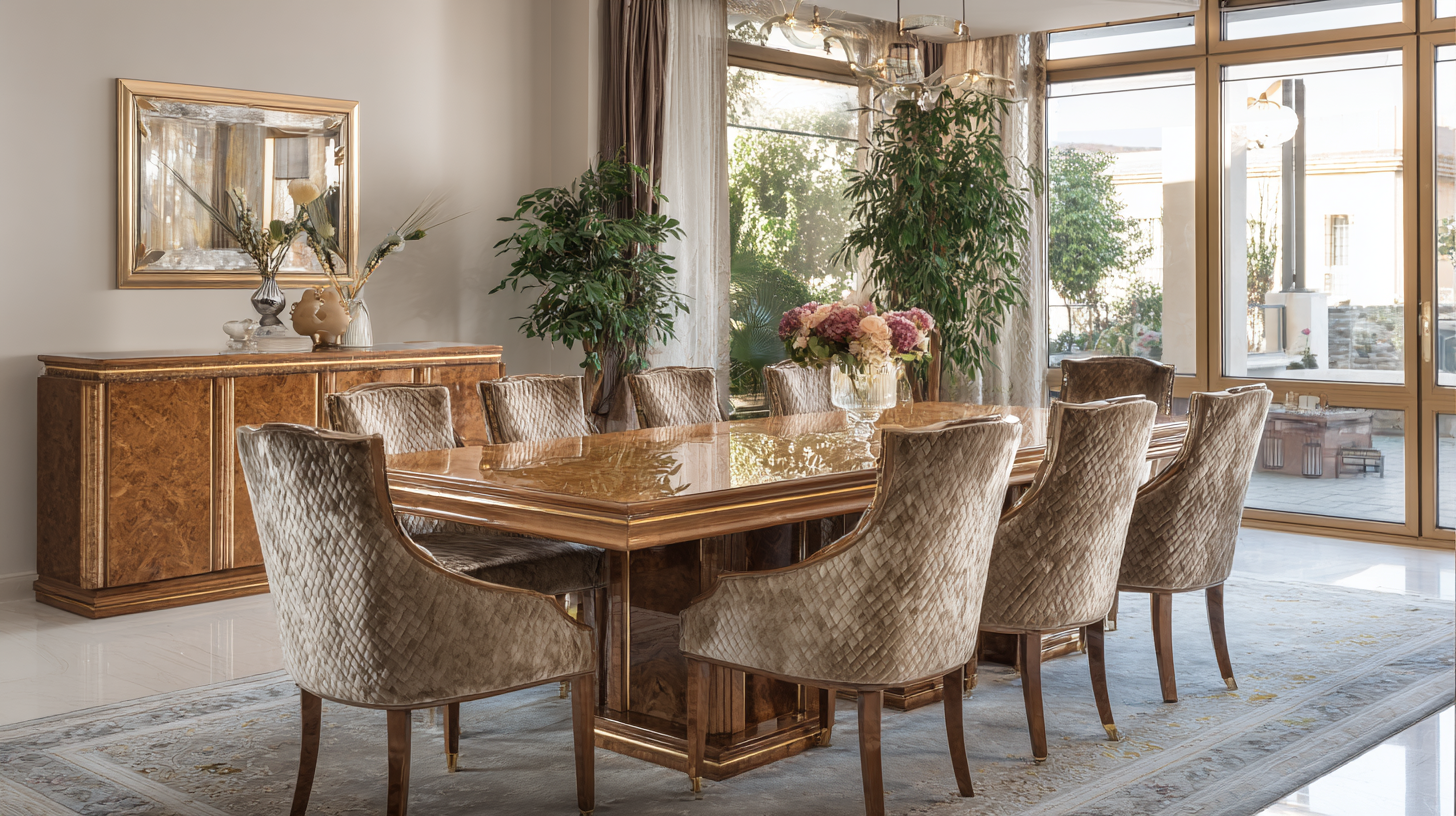
Styles and Trends: Embracing Modern, Rustic, and Minimalist Designs in 2025
In 2025, the dining room will continue to reflect the evolving tastes of homeowners, merging aesthetics with functionality. Embracing modern designs, sleek lines, and monochromatic color palettes will dominate the space. Furniture featuring innovative materials, such as eco-friendly composites and minimalist metal accents, adds a contemporary flair.
Moreover, incorporating smart technology—like extendable tables and adjustable lighting—will seamlessly blend convenience with style, creating an engaging dining experience.
On the other hand, rustic designs will capture a sense of warmth and coziness, inviting friends and family to gather around the table. Natural materials, such as reclaimed wood and handmade ceramics, will take center stage, evoking a strong connection to nature. This trend intertwines with the minimalist movement, emphasizing simplicity and functionality without sacrificing character.
By blending these styles, homeowners can create a dynamic dining environment that is both inviting and visually appealing, showcasing their unique taste while accommodating a range of social activities.
Color Palette and Finish: Harmonizing with Your Home's Interior Aesthetic
When selecting dining room furniture in 2025, the color palette and finish play a crucial role in complementing your home's interior aesthetic. By harmonizing colors with existing decor, you create a cohesive and inviting atmosphere. Warm, earthy tones such as terracotta or olive green can infuse the space with a natural, cozy feel, while cool shades like navy or charcoal can add a touch of sophistication. Consider choosing pieces that feature a consistent color scheme to tie the dining room with adjacent areas, ensuring visual flow throughout your home.
In addition to color, the finish of your dining room furniture can significantly impact the overall appearance and functionality. Matte finishes can provide a modern, understated look, while glossy surfaces can enhance brightness and reflect light, making smaller spaces feel larger. Additionally, materials like reclaimed wood or brass accents can introduce texture and character, further aligning with your home's style. Prioritizing both color and finish not only enhances aesthetic appeal but also enriches the dining experience, making mealtime more enjoyable in a beautifully coordinated setting.
How to Choose the Perfect Dining Room Furniture for Your Home in 2025
| Furniture Type |
Color Palette |
Finish Type |
Material |
Style |
| Dining Table |
Earthy Tones |
Matte |
Reclaimed Wood |
Rustic |
| Dining Chairs |
Soft Pastels |
Glossy |
Metal Frame |
Modern |
| Sideboard |
Neutral Shades |
Satin |
Oak |
Contemporary |
| Buffet Table |
Bold Colors |
Textured |
MDF & Veneer |
Eclectic |
| Dining Bench |
Warm Tones |
Natural |
Bamboo |
Farmhouse |
Smart Furniture Features: Integrating Technology for a Modern Dining Experience
As we look ahead to 2025, the integration of smart technology into dining room furniture is set to redefine the dining experience. With the global smart furniture market projected to grow from approximately $959.66 million in 2025 to $2730.69 million by 2032, exhibiting a robust compound annual growth rate (CAGR) of 16.11%, homeowners are increasingly drawn to the benefits of incorporating technology into their living spaces. Smart dining tables with built-in charging ports, interactive screens, and IoT connectivity can transform the way we host gatherings, making it easier to connect with loved ones while enjoying the convenience of modern amenities.
Moreover, the rise of multifunctional designs is creating a seamless blend between formal dining areas and casual spaces. Today's dining room trends embrace the concept of versatility, layering in technology to enhance decor and functionality. Innovations such as adjustable lighting, temperature-sensitive materials, and voice-activated controls allow for personalized dining environments that cater to both everyday meals and special occasions. As design experts predict a shift towards more interactive and tech-savvy dining experiences, it is evident that future dining rooms will not only focus on aesthetics but will also emphasize practicality and advanced features.