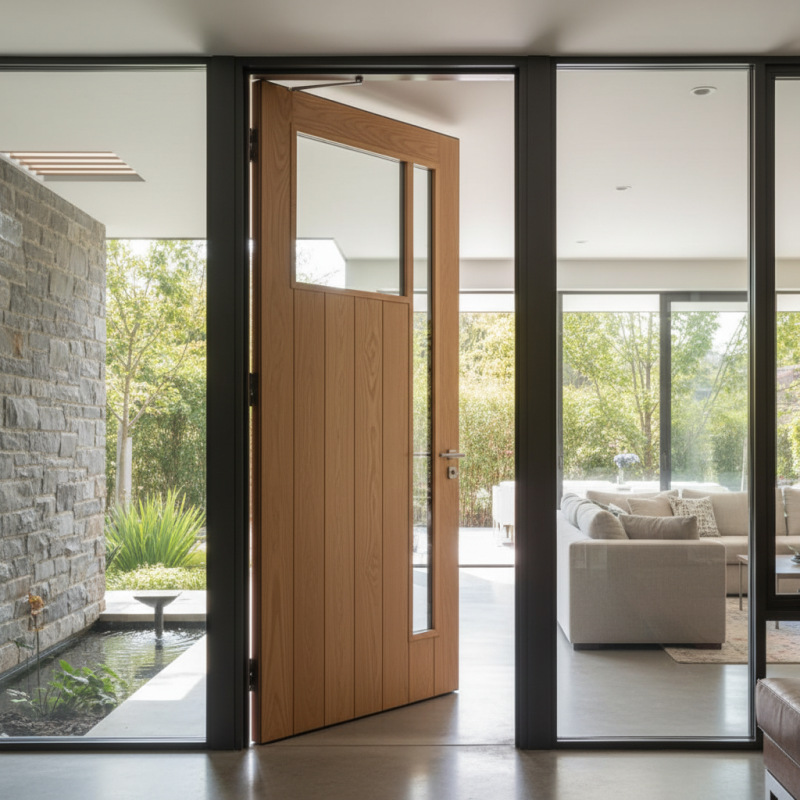
How to Choose Aluminum-Clad Wood Inward-Opening Doors?
Choosing the right Aluminum-Clad Wood Inward-Opening Door can significantly enhance your home's charm and functionality. These doors offer a blend of elegance and durability. The aluminum cladding protects the wood from the elements, ensuring long-term performance.
When selecting your door, consider its style and how it complements your home's architectural layout. The door's insulation properties are crucial, impacting energy efficiency. Look for reputable brands with solid warranties, as this reflects quality and dependability.
Despite their many advantages, it's crucial to weigh your options carefully. Some homeowners find maintenance a challenge. Others may struggle with the initial investment costs. Reflect on your specific needs and the long-term benefits. An informed choice will contribute to the overall comfort and appearance of your space.
Understanding Aluminum-Clad Wood Doors: Key Features and Benefits
Aluminum-clad wood doors offer a unique blend of aesthetics and functionality. These doors combine the beauty of natural wood with the durability of aluminum. The exterior metal layer protects the wood from weathering, reducing maintenance time and effort. Many homeowners appreciate this balance. They want beauty without the constant upkeep.
One key feature is energy efficiency. The aluminum-clad exterior minimizes air leakage, keeping homes warm during winter and cool in summer. This can lead to lower energy bills. Despite these advantages, some may worry about the initial cost. Investing in quality products pays off in the long run.
Another consideration is design flexibility. You can choose various colors, styles, and finishes for your aluminum-clad wood doors. This allows for customization to fit your home’s aesthetic. However, not every design may suit every architecture. Research is essential before making a choice. It's crucial to ensure that the selected door enhances the overall look while providing the necessary functionality.
Factors to Consider When Choosing Inward-Opening Door Designs
When choosing aluminum-clad wood inward-opening doors, consider functionality and aesthetics. Think about how often you will use the door. Frequent use demands durability. Check the mechanism; it should operate smoothly without sticking. This ensures ease of access for all users.
Assess the climate where you live. Different environments affect materials differently. Aluminum-clad wood withstands moisture and temperature changes better than some options. However, poorly sealed edges can lead to water damage. A door’s insulation is crucial. Evaluate thermal performance, especially in extreme temperatures.
Design is equally important. The door's style should complement your home’s exterior. While a modern look fits some homes, a traditional design suits others. It is vital to strike a balance between beauty and practicality. Don’t overlook the color and finish. Certain hues may fade over time. Aim for a timeless appearance that will last. Even small details matter. Consider hardware style and placement. These elements contribute to the overall aesthetic.
Evaluating Energy Efficiency in Aluminum-Clad Wood Doors
When considering aluminum-clad wood inward-opening doors, energy efficiency plays a crucial role. These doors combine aesthetics with function, but not all doors are made equal. The materials used in their construction deeply affect their thermal performance.
Aluminum-clad wood doors typically offer good insulation. The wood core provides natural thermal resistance, while the aluminum exterior offers durability. Yet, it's essential to examine the door's R-value, which measures thermal resistance. A higher R-value indicates better energy efficiency. You want doors that minimize heat loss in winter and keep interiors cool during summer.
In addition to materials, installation matters. Poor installation can lead to gaps, reducing efficiency. Consider air leakage tests to assess how well they seal against outdoor temperatures. Even small drafts can impact energy costs over time. Balancing aesthetics, performance, and installation quality is essential. When you focus on energy efficiency, you create a more comfortable living space that reflects your environmental values.
Selecting the Right Hardware for Inward-Opening Doors
When selecting hardware for inward-opening aluminum-clad wood doors, both function and aesthetics are critical. According to a report from the Door and Hardware Institute, approximately 70% of door performance relies on the quality of the hardware. Choosing the right hinges, locks, and handles enhances longevity and security. Materials like stainless steel and brass are popular for their durability and resistance to corrosion.
It's essential to consider the weight of the door when selecting hinges. Heavier doors require heavier-duty hinges. Many homeowners overlook this detail, potentially leading to premature wear. A miscalculation here can lead to significant maintenance costs over time. The right locking mechanism also plays a role; options range from traditional mortise locks to modern smart locks with integrated security features.
An article from the American Architectural Manufacturers Association notes that proper alignment and installation can reduce wear on hardware components. Ensuring that all parts function correctly from the start is vital. Misalignment can not only affect performance but may also impact energy efficiency. When evaluating options, always think about the door’s full lifecycle and the potential need for repairs or replacements.
Maintenance Tips for Long-Lasting Aluminum-Clad Wood Doors
Maintaining aluminum-clad wood inward-opening doors requires attention to detail. Regular inspection is essential. Check for signs of wear or damage. Look at the seams where aluminum meets wood. Moisture can seep in if these areas are compromised. Small cracks may lead to bigger issues, like rotting wood.
Cleaning is crucial for longevity. Use a soft cloth and mild detergent. Avoid harsh chemicals. They can damage the aluminum finish. Rinse well to prevent residue. Pay extra attention to the door tracks. Dirt can accumulate there, causing issues when the doors open and close. Regular cleaning keeps functionality intact.
Consider weatherproofing, especially in harsh climates. Apply a sealant to the wooden parts. This helps prevent water damage and prolongs the lifespan of the door. Regularly reapply the sealant as needed. Some may forget this step, which can lead to significant problems over time. Reflect on the maintenance schedule and adjust it based on how often the doors are used.