How to Choose the Perfect Outdoor Furniture for Your Patio and Garden
When it comes to enhancing the beauty and functionality of your outdoor spaces, choosing the right outdoor furniture is crucial. A well-furnished patio or garden not only provides comfort but also creates an inviting atmosphere for family gatherings and social events. With an overwhelming variety of materials, styles, and designs available, selecting the perfect outdoor furniture can be a daunting task.
To begin with, it's essential to consider the specific needs of your outdoor area, such as the size, climate, and intended use. For instance, if you envision hosting summer barbecues or quiet evenings under the stars, durable and weather-resistant furniture will be key. Additionally, aesthetics should not be overlooked; the right pieces can brilliantly complement your garden's natural beauty while reflecting your personal style.
By understanding the core components of outdoor furniture selection, including comfort, durability, and design, you can make informed decisions that elevate your outdoor experience. In the following sections, we will explore essential tips and considerations to help you curate the perfect outdoor oasis, ensuring that your patio and garden become cherished spaces for relaxation and entertainment.
Understanding Your Outdoor Space: Assessing Dimensions and Layout
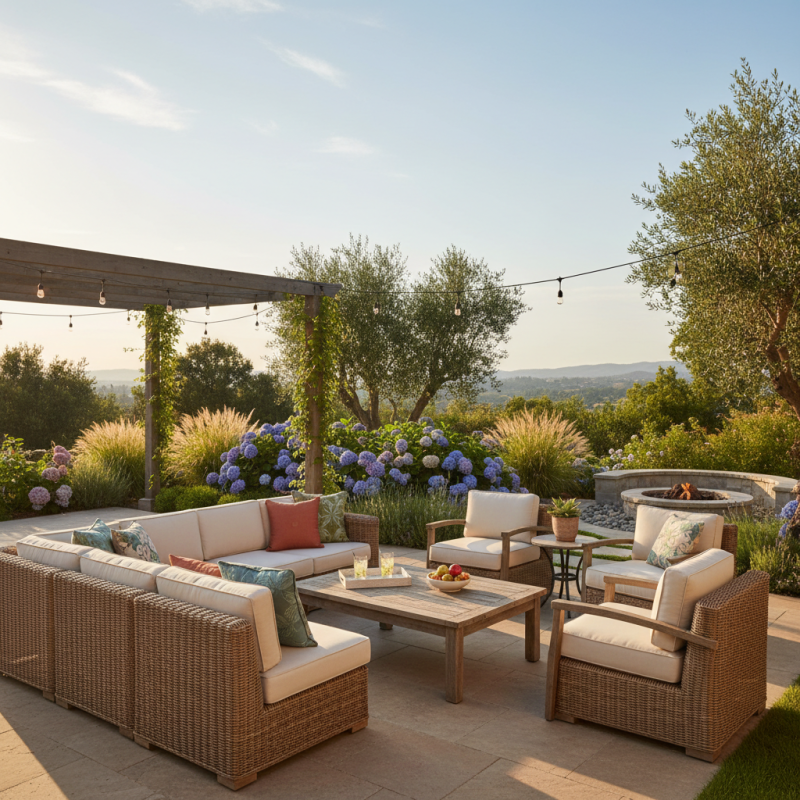
When selecting the perfect outdoor furniture for your patio and garden, assessing the dimensions and layout of your outdoor space is crucial. According to a report by the American Society of Landscape Architects, nearly 75% of homeowners desire an outdoor space that is functional and aesthetically pleasing. To achieve this, start by measuring the length and width of your available areas, including any pathways or existing structures that could impact your layout. This step will help you visualize how different furniture arrangements can fit into your space, ensuring both comfort and mobility.
In addition to dimensions, understanding the layout of your outdoor area is essential for creating a harmonious environment. The National Association of Home Builders indicates that well-designed outdoor spaces can increase property value by up to 20%. Consider how sunlight, shade, and wind patterns will affect your chosen furniture styles and materials. For example, heavier pieces may be best suited for windy areas, while lighter, more portable items could work well in less exposed locations. By thoughtfully considering both dimensions and layout, you can curate a beautiful and functional outdoor setting that meets your lifestyle needs.
Outdoor Furniture Preferences by Category
Identifying Your Style: Matching Furniture with Aesthetic Preferences
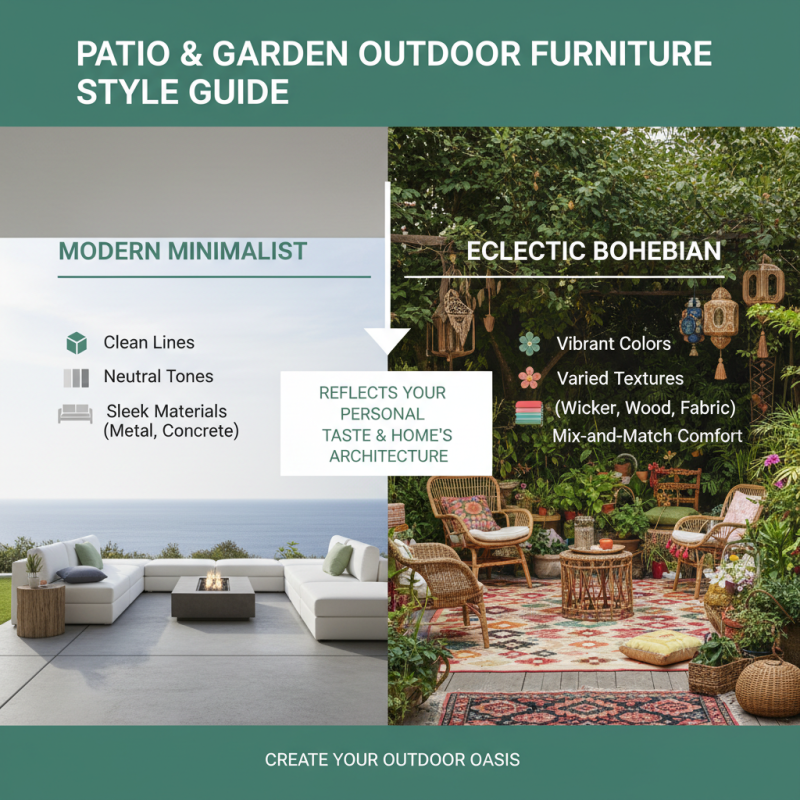
When it comes to selecting outdoor furniture for your patio and garden, identifying your style is the first crucial step. Your aesthetic preferences will significantly influence not only the look of your outdoor space but also how comfortable and inviting it feels. Whether you lean towards a modern minimalist vibe with clean lines and neutral tones, or prefer a more eclectic approach with vibrant colors and varied textures, understanding your style can guide you toward the perfect pieces. Take into account the architectural features of your home and the natural surroundings to create a cohesive outdoor aesthetic that reflects your personal taste.
Once you have a sense of your style, consider how it aligns with your intended use of the space. If your patio is designed for social gatherings, opt for larger seating arrangements that encourage conversation. For a serene garden retreat, select delicate furniture pieces that offer comfort while blending seamlessly with nature. Materials also play a vital role; lightweight aluminum might suit a contemporary setting, while classic wood can evoke a rustic charm. Ultimately, your choices should not only express your individual style but also enhance the functionality of your outdoor area, making it a place you'll love to spend time in.
Choosing Materials: Durability and Maintenance for Outdoor Furniture
When selecting outdoor furniture for your patio and garden, the materials you choose play a crucial role in both durability and maintenance. Opting for materials that can withstand the elements ensures your furniture remains vibrant and functional for years to come. Popular choices include aluminum, teak, and synthetic wicker, each offering a unique blend of resilience and aesthetic appeal.
Tips: Consider investing in weather-resistant materials such as aluminum or high-density polyethylene, which are not only lightweight but also resistant to rust and fading. Teak is another excellent option due to its natural oils that provide protection against moisture and insects, making it ideal for outdoor settings.
Maintenance is another key factor in your material choice. Some materials, like metal and synthetic fibers, require minimal upkeep, whereas wood may need regular sealing or oiling to retain its beauty. If you're looking for low-maintenance options, prioritize furniture made from materials that are easy to clean and don't necessitate extensive care.
Tips: To keep your outdoor furniture looking its best, routinely wipe down surfaces with a gentle cleanser and avoid exposing it to harsh chemicals. Additionally, consider using covers or storing furniture indoors during extreme weather to prolong its lifespan.
Comfort and Functionality: Selecting the Right Pieces for Your Needs
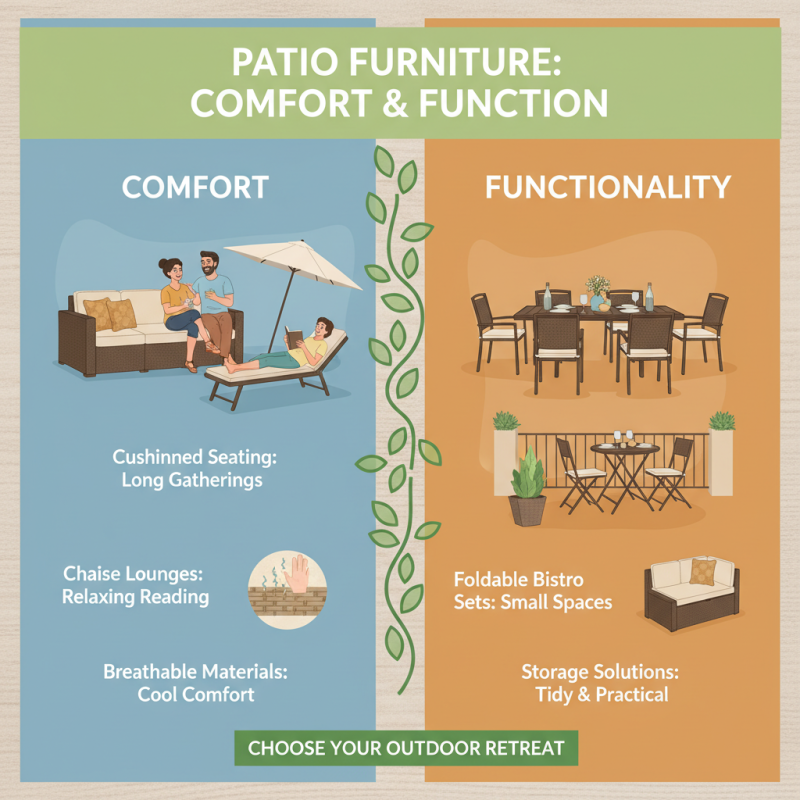
Choosing the right outdoor furniture for your patio and garden hinges on two main factors: comfort and functionality. When considering comfort, think about the types of seating and lounging options that will best suit your activities. Cushioned seating, for instance, can invite long gatherings with friends and family, while chaise lounges may be ideal for those lazy afternoons spent reading. Additionally, choosing materials that feel good against the skin, even in the heat, plays a significant role in ensuring that your outdoor space is a true retreat.
Functionality is equally crucial in selecting outdoor furniture. Assess the space you have available and the activities you most enjoy. If you frequently host barbecues or dinner parties, a dining set with ample seating and a sturdy table could be at the top of your list. Alternatively, multifunctional pieces, such as ottomans that double as storage, can maximize your space without compromising style. Weather-resistant materials are also essential to withstand the elements, ensuring that your furniture remains attractive and functional year after year. By balancing comfort and practicality, you can create an outdoor oasis that meets all your needs.
Budgeting Wisely: Finding Quality Outdoor Furniture Within Your Means
When it comes to selecting outdoor furniture, budgeting wisely is crucial in ensuring you get quality pieces that last without breaking the bank. Start by determining your total budget for patio or garden furniture and consider how much you’re willing to spend on each item. Prioritize essential pieces that will enhance your outdoor space while leaving room for decorative elements later on.
Tips: Look for sales and discounts, especially during seasonal transitions when retailers update their inventory. Additionally, explore second-hand options, as you can often find high-quality items at a fraction of the original price.
It’s important to balance quality with affordability. Cheap furniture may save you money upfront but could lead to higher costs over time due to wear and tear. Research materials that offer good durability without a hefty price tag, such as powder-coated aluminum or teak.
Tips: Before making a purchase, read reviews and check customer feedback to gauge the lifespan and comfort of the furniture you’re considering. Also, consider purchasing items that can serve dual purposes, such as ottomans that double as storage solutions, allowing you to maximize your investment.