How to Choose Wood Dining Chairs for Wholesale in 2026?

Choosing wood dining chairs for wholesale in 2026 requires more than comparing catalog prices. Buyers must examine wood quality, construction, comfort, finish, and supply reliability. A chair may look attractive online, yet feel unstable when tested on a showroom floor.

Furniture maker Thomas Moser has said, “The best furniture is made by hand.” His view remains useful, even for larger wholesale orders. Hand-finished details can reveal careful workmanship, but they should not replace consistent production standards. Check the wood species, moisture control, joint design, seat height, and weight capacity. Ask for product samples before approving thousands of units. Small checks matter.

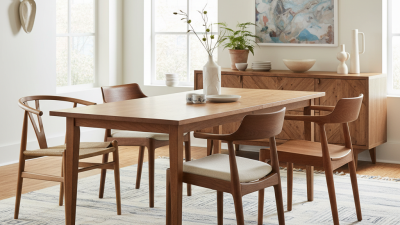
Start with the customer and the room. Restaurant chairs need durable finishes and easy cleaning. Residential retailers may prefer visible grain, softer upholstery, and warmer colors. Oak, rubberwood, ash, and beech each offer different costs, textures, and performance. Do not judge strength by appearance alone. A thick leg can still have weak joints.

Wholesale planning also includes packaging, replacement parts, lead times, minimum order quantities, and quality inspections. Request clear photos of cartons, corner protection, and stacked pallets. Sustainability claims need evidence, not attractive wording. Responsible sourcing documents can improve buyer confidence and reduce supply risks.

There is no perfect chair. A lower-cost model may serve fast-moving projects, while a refined design may create stronger retail margins. However, saving money too early can produce returns, uneven finishes, or customer complaints. This guide will help buyers compare wood dining chairs with practical judgment, measurable standards, and room for honest reconsideration.

How to Choose Wood Dining Chairs for Wholesale in 2026?

Market Trends Shaping Wholesale Wood Dining Chairs in 2026

In 2026, wholesale wood dining chairs are moving toward natural textures, softer silhouettes, and practical durability. Natural still sells. Buyers increasingly prefer visible grain, matte finishes, and warm oak or walnut tones. However, fully uniform collections may feel less distinctive in crowded showrooms. Small variations in grain can create character, but quality control must remain consistent.

Space-saving furniture is shaping demand. Compact dining areas need lighter chairs, narrower frames, and stackable designs. Wholesale buyers should inspect seat height, back support, and stability before placing large orders. A chair may look elegant in photos but feel uncomfortable after twenty minutes. That mistake is expensive.

Kiln-dried wood, reinforced joints, and moisture control remain important, especially when products move between different climates.

Wood moisture often needs careful adjustment, commonly around 8–12%, depending on the destination.

Sustainability is becoming a purchasing requirement, not just a marketing phrase. Buyers should request clear material records, responsible forestry documentation, and practical repair information. Replaceable seat pads and refinished surfaces can extend product life.

Digital ordering is also changing wholesale decisions, with buyers comparing lead times, packaging quality, and defect rates before price alone. The forecast is imperfect. Bold colors may attract attention in 2026, yet neutral finishes often sell steadily across regions. A balanced assortment can reduce risk: offer proven shapes, then test a smaller batch of experimental designs.

Key Materials and Construction Features to Compare

When choosing wood dining chairs for wholesale in 2026, compare the material before the finish. The FAO’s Global Forest Resources Assessment 2020 reports that forests cover about 31% of global land. This makes legal sourcing and traceability practical purchasing checks, not decorative claims. Ask for the wood species, moisture content, and origin documents. Solid beech, oak, and rubberwood offer different grain, hardness, and cost profiles. Rubberwood can be suitable, but poor drying may cause movement.

Moisture control deserves close attention. The USDA Forest Products Laboratory’s Wood Handbook recommends matching wood moisture to its service environment. For indoor furniture, many manufacturers target roughly 6–10%, depending on climate. A chair shipped from a dry warehouse to a humid market can still crack or loosen. Do not guess. Request test records and inspect sample legs after storage.

Construction often separates a reliable chair from a cheap-looking one. Look for mortise-and-tenon or reinforced dowel joints, not only visible screws. Corner blocks under the seat can reduce joint movement. A plywood seat may outperform thin solid wood when humidity changes, provided its layers are bonded evenly. EN 12520:2015 provides useful strength and durability benchmarks for domestic seating. In wholesale inspection, test wobble, joint gaps, rocking, and repeated loading. One showroom sample is not enough. I would also check ten chairs from one production batch, because consistency is where many purchasing assumptions fail.

How to Evaluate Style, Comfort, and Commercial Durability

For wholesale buyers in 2026, style should support the venue, not overpower it. A useful sample review checks silhouette, grain consistency, stain uniformity, and stacking practicality. Grand View Research valued the global furniture market at $516.66 billion in 2023. It also forecasts a 5.9% annual growth rate through 2030. That growth increases choice, but also makes inconsistent finishing easier to hide.

Comfort needs physical testing. Seat heights around 45–48 centimeters usually suit standard dining tables. Seat depth should support the thighs without pressing behind the knees. Test each chair for at least 15 minutes, including upright and relaxed positions. Comfort is not a showroom smile. The National Restaurant Association’s 2024 industry report projected $1 trillion in U.S. restaurant sales, showing how frequently commercial seating may be used. A chair that feels acceptable briefly may become tiring during long service periods.

Durability depends on joints, finish, moisture resistance, and repair access. Ask suppliers for test records aligned with ANSI/BIFMA X5.4 or EN 16139, rather than accepting “commercial grade” as proof. Check wobble after repeated loading, inspect glued corner blocks, and examine the underside for rough edges. A 100-chair pilot often reveals more than one perfect sample. I have found that visual scoring remains subjective, so buyers should record defects with photographs and measurements. A lower-priced chair may win initially, yet replacement labor can change the real cost. Avoid judging strength from one static load figure alone.

Wholesale Pricing, Minimum Orders, and Supplier Verification

How to Choose Wood Dining Chairs for Wholesale in 2026?

Wholesale pricing should be judged by the complete landed cost, not the chair price alone. Ask suppliers for itemized quotes covering wood species, finish, packaging, shipping terms, and sample charges. A chair priced at $28 may cost more after reinforced cartons and port handling. Request tiered pricing for 50, 100, and 300 units. This reveals where discounts truly begin. Confirm whether prices remain valid for 30 days. Timber and freight costs can change quickly.

Tips: Set a realistic minimum order quantity before requesting quotes. A low MOQ may carry a higher unit price, while a large MOQ can trap cash in slow-moving colors. Ask for mixed finishes or staged deliveries. Get every adjustment in writing. I once focused too heavily on the lowest quote and underestimated packaging damage. That mistake still influences my buying checklist.

Supplier verification requires practical evidence. Request business registration details, workshop photographs, production videos, material specifications, and recent inspection records. Compare the sample with the production contract. Check joint strength, chair balance, coating consistency, and carton labeling. A third-party inspection before shipment adds useful distance from sales promises. Contact two recent wholesale customers when possible. Their comments about delays may be more valuable than polished factory images. Do not approve a supplier after one successful sample. Repeatability matters more. Also, leave room for doubt; even careful checks cannot eliminate every production problem.

Sustainability, Customization, and Delivery Considerations

How to Choose Wood Dining Chairs for Wholesale in 2026?

Sustainability, Customization, and Delivery Considerations

Wholesale buyers should examine the wood source, not only the chair’s appearance. Ask for chain-of-custody documents and clear material specifications. Reclaimed wood can look attractive, but its moisture history may be uncertain. Solid wood offers repairability, while engineered components can reduce waste and improve stability. Check the finish for low-emission performance and request test results when available. Small details matter. A chair with replaceable glides may last longer in busy dining spaces. However, sustainability claims need evidence, not attractive wording.

Customization should begin with usage, not decoration. Confirm seat height, weight capacity, leg structure, stain consistency, and carton dimensions. Request a physical sample before approving a large order. Digital colors often appear warmer than the finished wood. I have seen buyers focus on a beautiful sample and overlook stacking limits. That mistake can increase storage costs.

Delivery planning also requires practical discipline. Discuss production capacity, inspection stages, packaging strength, and shipment schedules in writing. Include spare parts and a clear process for handling damaged cartons. A realistic buffer is wise, especially before seasonal demand. Delays may come from timber conditioning or port congestion. A cheaper quotation is not always a cheaper purchase. Review the complete landed cost, including replacements, storage, and rework.

The Health & Safety of our Community is Our Priority For this reason, we will be changing our business hours to:

MON - SAT 12pm - 5pm

Or by appointment

We will communicate any updates through our social media and other regular mediums. Thank you for being a loyal customer!

Learn More

Top The owner of this website has made a commitment to accessibility and inclusion, please report any problems that you encounter using the contact form on this website. This site uses the WP ADA Compliance Check plugin to enhance accessibility.