Essential Tips for Choosing Outdoor Patio Furniture?
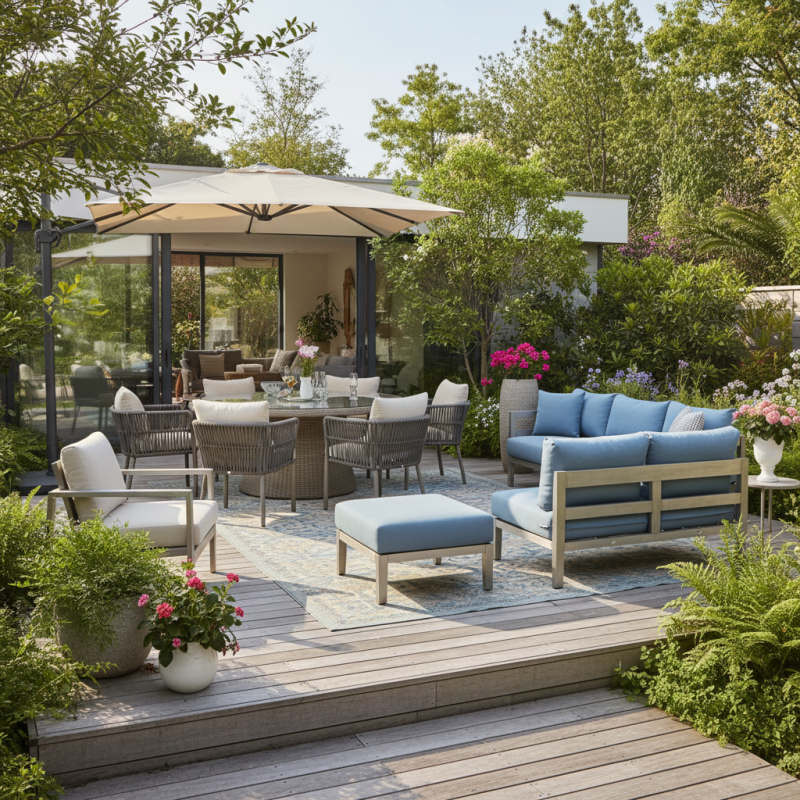
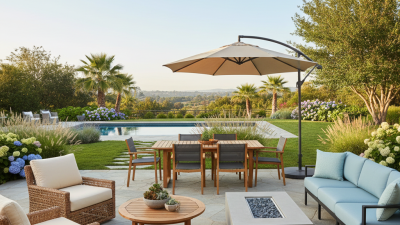
Choosing the right outdoor patio furniture can transform your living space. It brings comfort and style to your outdoor area. According to outdoor furniture expert Jane Smith, “The right selection can make your patio feel like an extension of your home.”
When selecting outdoor patio furniture, think about your lifestyle. Consider how often you host gatherings or simply relax outside. This will influence the type of furniture you choose. Some people prefer plush cushions and large tables, while others may want minimalist designs.
Durability is key. Outdoor furniture must withstand the elements. Materials like teak, aluminum, and resin are popular for their resilience. However, even the best options may fade over time. Analyze what works for you, but remember, perfection is subjective. Understand your needs, and take time to reflect on your choices. Your patio should reflect your unique style and be a space you'll love.
Understanding Material Durability: Wood, Metal, and Synthetic Options
Choosing the right material for outdoor patio furniture is crucial. Wood offers natural beauty but requires regular maintenance. Teak and eucalyptus are popular choices. They are durable but can fade over time if not treated. Metal options like aluminum and wrought iron are strong and weather-resistant. However, they may rust if not properly cared for, which can be a concern.
Synthetic materials have gained popularity for good reason. They mimic the look of natural fibers and resist rot. Brands often use high-density polyethylene in their designs. This material is lightweight and easy to clean. Though it is durable, it might not achieve the same aesthetic warmth that wood provides.
Ultimately, the best choice depends on your specific needs and location. Evaluate your climate and usage patterns. If your area experiences harsh winters, a more resilient material may be necessary. It's a process of trial and error; sometimes furniture doesn't hold up as expected. So, think carefully about what suits your lifestyle and taste before making a decision.
Material Durability of Outdoor Patio Furniture
Evaluating Weather Resistance: Importance of UV Protection and Waterproofing
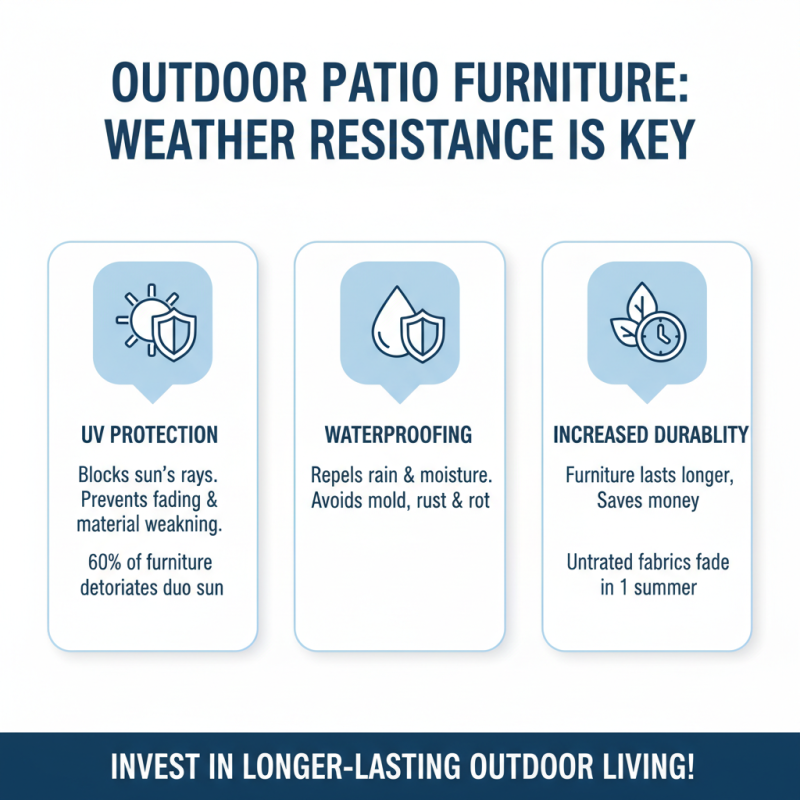
When selecting outdoor patio furniture, weather resistance is critical. UV protection and waterproofing significantly impact the durability of your pieces. According to industry reports, nearly 60% of outdoor furniture deteriorates due to sun exposure. UV rays can lead to fading and weakening of materials over time. For instance, untreated fabrics can lose their color and integrity after just one summer season.
Waterproofing features also merit attention. A study found that furniture exposed to rain for prolonged periods can suffer mold growth and structural damage. In 2022, researchers noted a 30% higher likelihood of furniture degradation in regions with frequent rainfall. Investing in waterproof furniture can prevent these issues and extend its lifespan.
Choosing the right materials is essential. Some woods offer natural resistance to moisture but may require treatments. Fabrics like solution-dyed acrylic withstand water better than standard materials. Not all furniture marketed as waterproof holds up against heavy rain. Potential buyers should ask about warranties and care requirements. Ultimately, balancing aesthetics and durability can be a challenge.
Assessing Comfort: Essential Features in Seating and Cushioning
When choosing outdoor patio furniture, comfort is key. Start by looking at the seating. Try them out. Sit for a bit. How does it feel? Cushioned seats can make a big difference. Thick cushions can provide support, but they can also trap heat. Some prefer thinner cushions for better airflow.
Don’t overlook the fabric. Materials like acrylic or polyester offer durability. But remember, certain fabrics can fade in the sun. Check if the cushions are removable. This will make cleaning much easier. Also, consider the backrest design. Higher backs can offer better support, while lower styles may feel more casual.
Pay attention to weight too. Lightweight furniture is easier to move, but it can blow away. Heavier pieces provide stability but can be cumbersome. Finding a balance is crucial. Lastly, test the furniture in various positions. Your comfort level may change when sitting upright or lounging back. It's about creating a space that invites relaxation.
Essential Tips for Choosing Outdoor Patio Furniture - Assessing Comfort: Essential Features in Seating and Cushioning
| Feature |
Description |
Importance |
Material Options |
| Cushion Thickness |
Thicker cushions provide more comfort and support. |
High |
Foam, Down |
| Seat Depth |
A deeper seat allows for better relaxation. |
Medium |
Wood, Metal |
| Lumbar Support |
Good back support enhances comfort for longer seating periods. |
High |
Fabric, Synthetic |
| Weather Resistance |
Material that withstands the elements is essential for longevity. |
High |
Aluminum, Synthetic Wicker |
| Ease of Cleaning |
Materials that are easy to wipe down extend usability. |
Medium |
Plastic, Metal |
Style and Aesthetics: Matching Outdoor Furniture with Landscape and Architecture
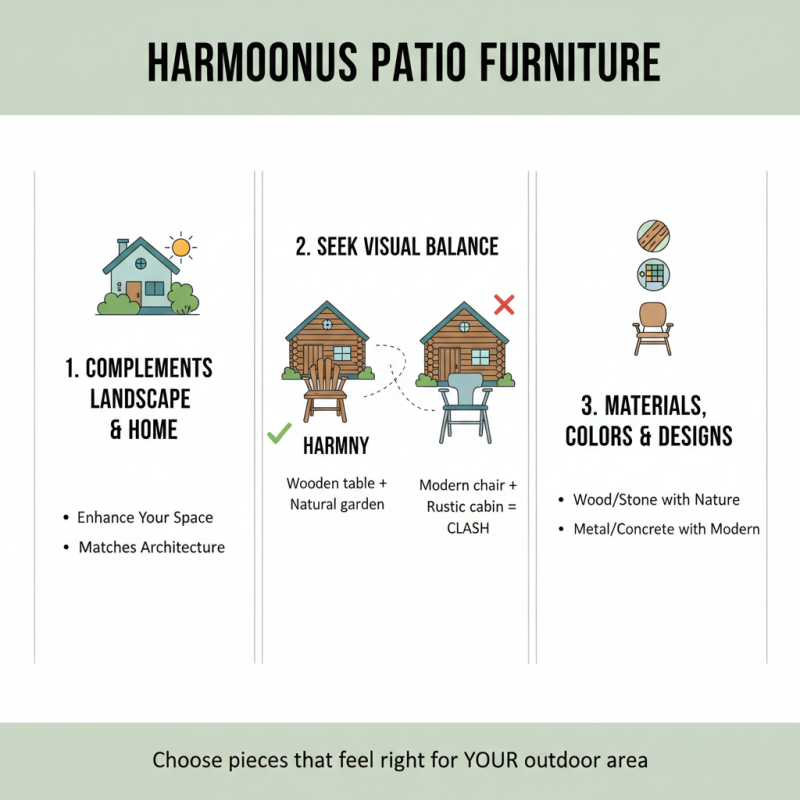
When choosing outdoor patio furniture, consider how it complements your landscape and home architecture. The right pieces should enhance your space. For example, a sleek, modern chair might clash with a rustic cabin. Look for harmony in materials, colors, and designs. A wooden table can go well with a natural garden but might feel out of place on a concrete patio.
One key tip is to notice existing elements. Take a good look at your home's exterior. Are there colors or textures that stand out? Use these cues to make choices that fit naturally. A classic wicker set can blend beautifully with surrounding plants. Alternatively, bold metal furniture can inject a contemporary vibe. It’s essential to balance aesthetics and functionality.
Don’t forget your lifestyle needs. If you have kids or pets, opt for durable materials. However, these options may lack the charm of delicate designs. Reflect on what matters most in your outdoor space. Sometimes, practicality and beauty can feel at odds. Make choices that resonate with your preferences while remaining aware of the overall look.
Budgeting for Quality: Average Costs and Investment in Long-Lasting Furniture
When selecting outdoor patio furniture, budgeting is key. The average cost for durable outdoor furniture ranges from $300 to $1,800. According to industry reports, investing in quality pieces can save you money in the long run. Cheap furniture may need replacing every few years, while quality options can last over a decade. Spending wisely means choosing materials that withstand the elements.
Consider these tips: opt for weather-resistant materials like aluminum or teak. They often exceed expectations in durability and style. Be wary of heavily discounted items; they may compromise on quality. Look for features like UV resistance and rust-proof finishes. These small details can make a significant difference over time.
While it’s tempting to find deals, reflection is important. Cheaper options can be appealing but often result in disappointment. Review your space and how you use it. Focus on comfort and longevity instead of just aesthetics. Quality investment promotes a better outdoor experience, ensuring you enjoy your patio for years to come.