7 Tips for Choosing Outdoor Patio Furniture

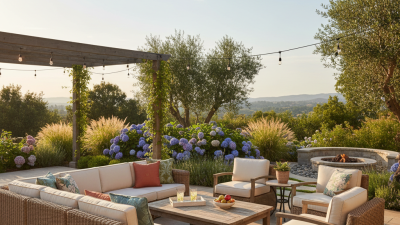
Choosing outdoor patio furniture is not simply a matter of matching colors or finding the lowest price. The right pieces must handle sunlight, rain, humidity, wind, and daily use. They should also make a patio feel comfortable, balanced, and connected to the home. As outdoor-living designer Joe Ruggiero has said, “The outdoor room is an extension of the home.” That idea remains practical. A dining set should support real meals, while a lounge chair should invite people to stay longer.

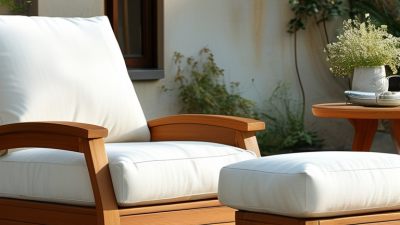
This guide explores seven useful tips for selecting outdoor patio furniture with greater confidence. It considers frame materials, cushion fabrics, drainage, comfort, scale, storage, and long-term maintenance. For example, aluminum may suit a damp climate, while heavy steel can provide more stability in windy areas. Quick-drying cushions are valuable after summer showers. Small details matter.

Measure the space first.

A beautiful sofa can still overwhelm a narrow balcony. Buyers should check doorways, walking paths, and table clearance before ordering. Warranty terms also deserve attention, because outdoor finishes can fade or corrode sooner than expected. No material is perfect. Even premium furniture needs cleaning, protection, and occasional inspection.

The following tips combine design knowledge with practical buying experience. They are not strict rules, though. Personal comfort, local weather, and maintenance habits should influence every decision. A patio used every evening may need sturdier cushions than one used only on weekends. Thoughtful choices create an outdoor setting that looks inviting today and remains useful through changing seasons.
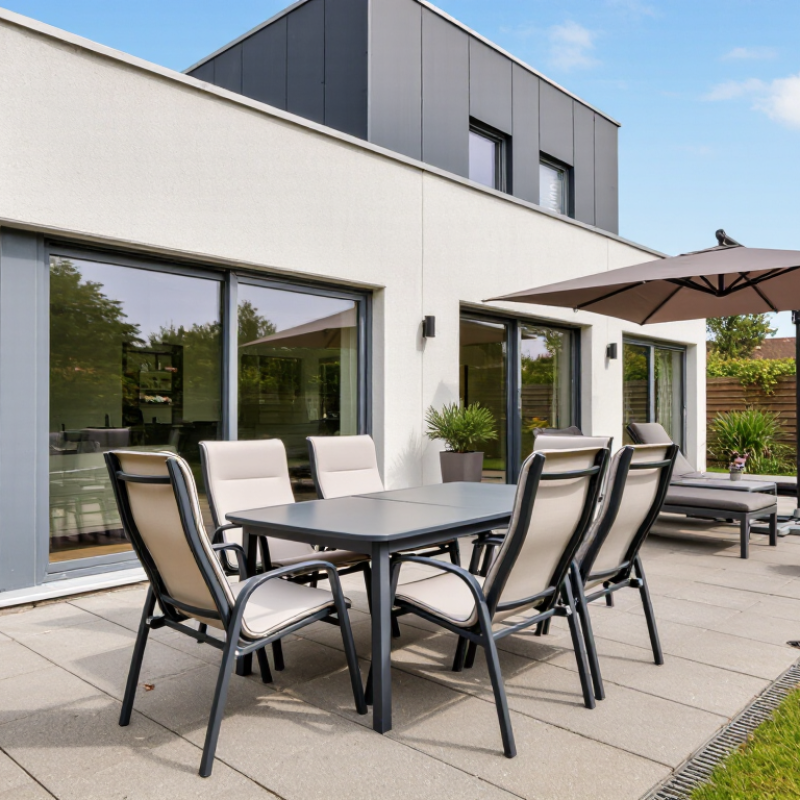
7 Tips for Choosing Outdoor Patio Furniture

Measure Patio Space and Clearance Before Comparing Seating Capacity

Choosing Outdoor Patio Furniture

Measure Patio Space and Clearance Before Comparing Seating Capacity

A patio can look spacious until chairs, table legs, and walking routes occupy it. Measure the usable area, not just the concrete or deck surface. Record the length and width near walls, railings, doors, and planters. Measure twice.

Leave enough clearance for movement. A dining chair usually needs about 24 to 36 inches behind it when someone is seated. Main walkways should allow roughly 30 to 36 inches, especially near a back door. Check whether the door swings inward, outward, or slides. A beautiful arrangement can become frustrating if the door hits a chair.

I once planned seating by counting cushions first. That was a mistake. The table technically fit, but people had to turn sideways to reach the steps. A simple paper layout would have exposed the problem earlier. Use masking tape or cardboard to mark each furniture footprint on the patio. Include chair pullback space and room for serving dishes. If the surface slopes, test stability before buying heavier pieces. Uneven ground may require adjustable feet or a different layout.

Compare seating capacity only after these measurements are clear. A compact four-seat arrangement may work better than a crowded six-seat set. Consider how your household actually uses the space, including quiet mornings, shared meals, and occasional guests. Leave a little unused room. Outdoor comfort depends on movement as much as seating.

7 Tips for Choosing Outdoor Patio Furniture: Measure Patio Space and Clearance Before Comparing Seating Capacity

Furniture Configuration Typical Furniture Footprint Recommended Overall Patio Area Comfortable Seating Capacity Minimum Clearance Around Furniture Recommended Use Key Measuring Tip
Compact Bistro Set 30–36 in × 30–36 in
(76–91 cm × 76–91 cm)
5 ft × 5 ft
(1.5 m × 1.5 m)
24–30 in
(61–76 cm)
Small balconies, entry patios, and narrow outdoor spaces Measure door swings and railing edges before selecting a table diameter or square table width.
Two-Chair Conversation Set 60–72 in × 36–42 in
(152–183 cm × 91–107 cm)
8 ft × 6 ft
(2.4 m × 1.8 m)
30–36 in
(76–91 cm)
Casual conversations, reading, and morning coffee Leave enough room behind each chair to pull it out and sit down without blocking a walkway.
Small Dining Table Set 48–60 in diameter
(122–152 cm diameter)
10 ft × 10 ft
(3.0 m × 3.0 m)
36 in
(91 cm)
Everyday outdoor meals and compact family dining For rectangular tables, measure the table and chairs together rather than comparing tabletop dimensions alone.
Six-Person Dining Set 72–84 in × 36–42 in
(183–213 cm × 91–107 cm)
12 ft × 10 ft
(3.7 m × 3.0 m)
36–42 in
(91–107 cm)
Family meals, entertaining, and outdoor work surfaces Add space for chair pullback, serving access, and a clear route to the house or grill.
Compact Sectional Conversation Set 84–108 in × 60–72 in
(213–274 cm × 152–183 cm)
12 ft × 12 ft
(3.7 m × 3.7 m)
30–36 in
(76–91 cm)
Relaxed seating, conversation, and occasional entertaining Check the sectional’s total assembled length because corner pieces can restrict movement more than separate chairs.
Large Sectional with Coffee Table 108–144 in × 84–108 in
(274–366 cm × 213–274 cm)
14 ft × 14 ft
(4.3 m × 4.3 m)
30 in around the table;
36 in on main walkways
(76–91 cm)
Large patios, family lounging, and frequent social gatherings Measure the coffee table, ottomans, and side tables as one group to prevent crowded circulation paths.
Dining and Lounge Combination 144–180 in × 108–144 in
(366–457 cm × 274–366 cm)
16 ft × 14 ft or larger
(4.9 m × 4.3 m or larger)
36–42 in between zones
(91–107 cm)
Entertaining, dining, lounging, and multi-purpose outdoor living Divide the patio into activity zones and maintain a continuous walkway between the seating, dining, and access areas.

Compare Frame Durability Using ASTM B117 Salt-Spray Corrosion Data

7 Tips for Choosing Outdoor Patio Furniture

Compare frame durability with ASTM B117 salt-spray corrosion data, not vague claims. ASTM B117 describes a controlled testing method. It does not guarantee a specific outdoor lifespan. Neutral salt spray commonly uses a 5% sodium chloride solution at about 35°C. The test exposes coated panels or components to continuous mist. Useful evidence includes the substrate, coating system, pretreatment, exposure hours, and failure criteria.

Look for results from comparable frames. A steel frame with a protective coating may perform well at 500 hours, while another may show rust near welds much earlier. Edges, drilled holes, joints, and fasteners deserve close attention. Ask whether testing examined complete furniture parts or flat laboratory panels. That distinction matters. A report without photographs can leave important details unclear.

Think beyond the number of hours. Salt spray does not recreate ultraviolet light, rain cycles, standing water, or coastal wind. Aluminum can resist rust, yet galvanic corrosion may appear where dissimilar metals touch. I once treated a high-hour result as a complete durability answer. That was too simple. Request coating thickness, corrosion ratings, and maintenance instructions. Check drainage points under seats and inside hollow frames. Small design details often decide whether patio furniture stays reliable.

Evaluate Upholstery with Wyzenbeek or Martindale Abrasion Ratings

Outdoor upholstery must survive more than sunlight. Patio cushions face denim seams, pet claws, damp towels, and repeated sliding. I once chose fabric by appearance alone. It looked premium, but the seat surface flattened quickly. Ratings would have exposed that weakness earlier.

Tip: Compare the test method, not only the number. Wyzenbeek measures double rubs under ASTM D4157. Martindale measures abrasion cycles under ISO 12947-2. These figures are not directly interchangeable. ACT Upholstery Performance Guidelines commonly use 15,000 double rubs for moderate residential traffic and 30,000 for heavier use. For busy patios, I usually prefer a tested rating above 30,000 double rubs or a clearly documented Martindale result. More is not always better. Test construction still matters.

Tip: Ask for the full performance sheet. The 2024 Global Outdoor Furniture Market report by Grand View Research identifies weather resistance as a major purchase consideration, but abrasion testing measures only one risk. Check UV resistance, colorfastness, mildew resistance, water repellency, and seam strength too. A high abrasion score cannot prevent fading. Also inspect the fabric closely. Loose yarns, pale colors, and exposed piping may age poorly, despite impressive laboratory figures. Leave room for doubt; outdoor conditions are rarely controlled.

Assess UV Resistance Through ASTM G154 Weathering-Test Results

7 Tips for Choosing Outdoor Patio Furniture

Assess UV Resistance Through ASTM G154 Weathering-Test Results

A sunny patio can expose furniture to intense ultraviolet radiation, heat, moisture, and repeated temperature changes. ASTM G154 testing offers useful evidence about how materials respond under controlled laboratory conditions. The procedure uses fluorescent UV lamps, condensation, and defined exposure cycles to accelerate surface aging. Look for reports that clearly identify the lamp type, irradiance, cycle duration, temperature, and total exposure hours. Vague claims are not enough.

Check more than color retention. Inspect the reported changes in gloss, chalking, cracking, brittleness, tensile strength, or flexural performance. A cushion fabric may keep its color but lose strength along the seams. A plastic frame may look acceptable while becoming fragile near screw holes. Ask whether samples were tested before and after exposure, and whether several specimens produced consistent results. Reliable data should explain the testing laboratory, sample construction, and evaluation method.

Real patios are less predictable. Tree shade, coastal salt, rain, and angled sunlight can produce different damage patterns than laboratory cycles. ASTM G154 results help compare materials, but they cannot promise a specific service life. I once treated high exposure-hour numbers as a complete answer; that was too simplistic. Review the furniture’s protective finish, drainage, fabric weave, and maintenance instructions too. Small details matter. Choose evidence over confident wording.

Verify Weight Limits, Warranty Coverage, and Applicable BIFMA Standards

7 Tips for Choosing Outdoor Patio Furniture

A chair’s weight limit is not a decorative number. Check the label, product sheet, or assembly guide before buying. The stated limit should cover the user, clothing, and normal movement. Do not assume a heavy steel frame is automatically safer. Inspect the joints, leg connections, and fasteners. A chair that flexes under light pressure may become unstable over time. Leave a sensible margin below the maximum rating. Real use is rarely perfectly still.

Warranty language deserves the same attention. Look for separate coverage periods for the frame, finish, fabric, cushions, and hardware. Outdoor exposure can change the rules. Many warranties exclude salt air, standing water, fading, improper storage, or commercial use. That detail matters on a sunny balcony or poolside deck. Keep receipts and installation records. They may be required for a claim. I have found that buyers often read the warranty only after damage appears. That is an avoidable mistake.

Ask whether the furniture was tested against an applicable BIFMA standard. BIFMA standards address performance and durability for specific furniture categories; they are not a universal outdoor approval. Request the exact standard, test scope, and report date. A vague “BIFMA tested” statement is not enough. Check whether the test covers the complete product or only one component. Also confirm that the tested model matches the item being sold. Standards help, but they cannot predict every storm, misuse, or neglected drain hole. Personally, I would treat unclear documentation as a reason to pause, not a reason to guess.

7 Tips for Choosing Outdoor Patio Furniture

Use this checklist to compare products before purchasing. The chart shows the minimum number of evidence items to verify for each selection tip. These counts are checklist requirements, not laboratory test results.

How to Use the Checklist

  • Confirm the stated maximum load for each seat, table surface, and complete furniture set.
  • Check frame joints, fasteners, welds, connectors, and replacement-part availability.
  • Review claims about corrosion resistance, UV exposure, drainage, and outdoor storage.
  • Read the warranty term, exclusions, coverage limits, and claim procedure.
  • If a BIFMA standard is cited, verify the exact standard number and confirm that its scope applies to the product category; BIFMA standards are not automatically applicable to every outdoor item.
  • Look for stable bases, level contact points, anti-tip features, and clear assembly instructions.
  • Save the product specification sheet, load-limit information, warranty, and assembly documentation.

The Health & Safety of our Community is Our Priority For this reason, we will be changing our business hours to:

MON - SAT • 12pm - 5pm

Or by appointment

We will communicate any updates through our social media and other regular mediums. Thank you for being a loyal customer!

Learn More

Top The owner of this website has made a commitment to accessibility and inclusion, please report any problems that you encounter using the contact form on this website. This site uses the WP ADA Compliance Check plugin to enhance accessibility.